Wandermio
Two Weeks in One Bag: What I Carry and What Stays Home
I used to pack for two weeks the way people pack for a move: everything I own, sorted by mood. Then came a February in Porto, a fourth-floor landing, no elevator, and a suitcase that weighed more than my convictions. I stopped on the second turn of the stairs, sweating inside a wool coat, and did the arithmetic on what I was hauling. Fourteen days of imaginary weather. Three pairs of shoes for two feet. A hardcover I had been not reading since November.
I travel for two weeks with one bag now, one I can lift over my head without asking a stranger for help, and I have never opened it in a rented room and wished for more. The change was not discipline. A small bag simply makes most of the decisions in advance, and it makes them kindly.
What actually goes in
The list is shorter than it sounds and roomier than it looks. For fourteen days in mild weather I carry five tops, two bottoms, one dress that folds down to almost nothing, seven days of the small daily things, and a light layer that packs into its own pocket. On my feet, walking shoes that already know my heels. In the bag, one flat second pair, sandals in summer and soft slip-ons the rest of the year.
That is the whole clothing question. The rest is a flat toiletry pouch, a charging pouch the size of a sandwich, a folding tote for markets, a scarf that does the work of six things, and a paperback I will actually finish and leave on a shelf somewhere.
One rule holds it together: every piece has to look right beside at least two others, in the same color family, in the same mood. I stay inside soft neutrals with one warm accent, so any top meets any bottom without negotiation. This is not about looking plain. It is about never standing in front of an open bag at seven in the morning, in a city I came a long way to see, wondering whether the green thing goes with the striped thing.
Fabric is the whole argument
The reason two weeks fits into a small bag has almost nothing to do with folding technique. It is fiber.
Fine wool is the quiet hero of a long trip. A thin wool top can be worn three days running and still smell like nothing at all, which sounds like a boast until you have tested it on a warm afternoon ride in July. It also dries fast, breathes in heat, and holds warmth when the evening turns. Linen creases the moment you look at it, and I have made peace with that, because linen in August pays for every wrinkle and reads as intentional when the cut is good.
What I avoid is easier to name. Thick cotton drinks water and keeps it for a day and a half. Anything that needs pressing to look awake will not look awake. Heavy denim is lovely at home and a brick in a bag. One pair of dark, soft, slightly stretchy trousers earns a place on every trip I take: composed enough for dinner, forgiving enough for a six-hour ride, and clean again after a sink and a night on a hanger.
Those items are hope, and hope is heavy.
Sink laundry, and the mornings after
Once the bag is small, washing stops being a chore and turns into a habit, closer to brushing teeth than to housework. Mine takes about four minutes.
Warm water in the sink, or the flat end of the tub if the sink is a saucer. A pea of whatever mild soap is at hand, worked through with fingers, no scrubbing and no twisting. Two rinses, until the water runs clear.
Then the step that matters more than the washing. Lay the wet piece flat on a dry towel, roll the towel up tight, and press hard with both palms, or stand on it. That single move pulls out most of the water and cuts the drying time close to half. Hang the piece on a hanger with air on both sides, not folded over a shower rail where it presses against itself. Open a window if the room has one, and aim the fan at it if there is a fan.
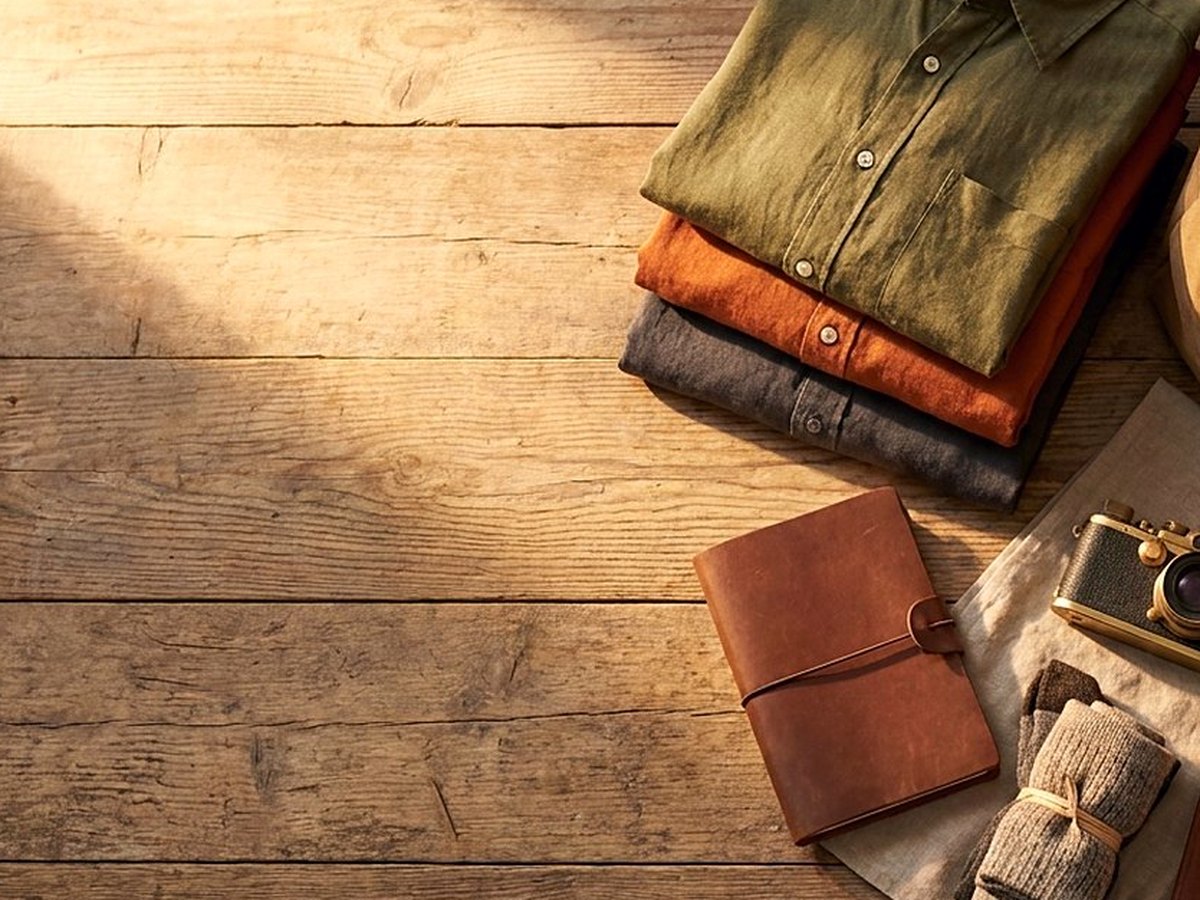
Thin wool and light blends are dry by breakfast. Cotton may still be faintly damp at nine in the morning, which is exactly why cotton is a guest in my bag and not a resident. I wash two or three small things every second evening rather than a heap once a week, because the evening wash takes four minutes at the end of a day when I have already stopped walking, and because it means the bag never carries a second, unhappier bag of laundry inside it.
The things that stay home
This is the honest part of the list, and it holds the weight I no longer carry.
- The third pair of shoes. I brought them on perhaps twenty trips and wore them on two.
- Full-size bottles of anything. Everything gets decanted into small containers, and whatever runs out gets replaced at a corner shop, which is a small pleasure of its own.
- The just-in-case coat, when the forecast for all fourteen days sits comfortably above fifty degrees. A scarf and a thin layer cover more situations than the coat does and weigh a tenth as much.
- Hardcovers. One paperback, then a swap shelf in a guesthouse.
- The hair tools. I gave mine up three years ago and have looked about as tidy ever since, which told me something I was not ready to hear at the time.
- Anything packed for a version of the trip I am not taking. The formal evening that is not on the plan. The long hike I keep saying I will finally do. Those items are hope, and hope is heavy.
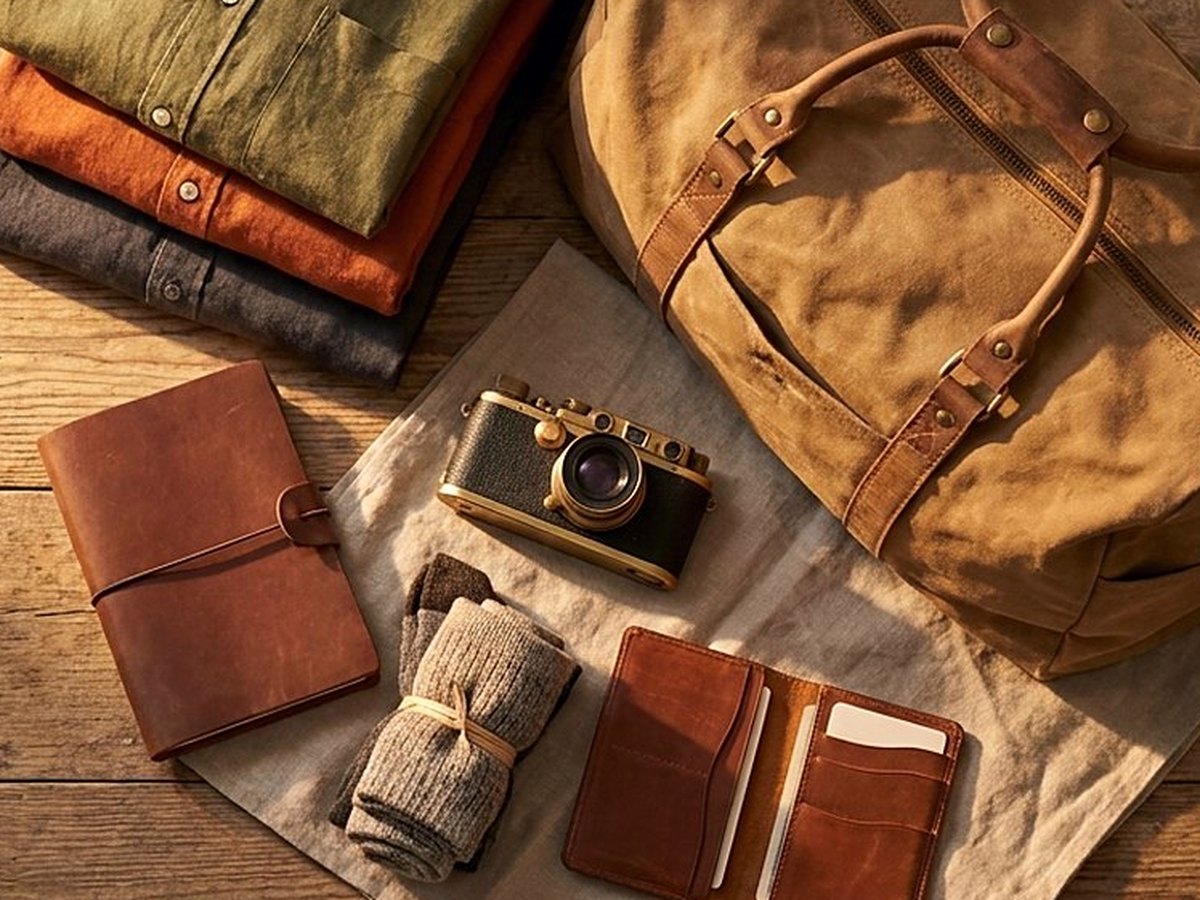
The bag that comes out of all this weighs about eighteen pounds with water in the side pocket. I can lift it onto a luggage rack without help, carry it up four flights, and walk twenty-five minutes from a station to a rented room on a hot afternoon without resenting the day. That last one is the entire point. A light bag is not a badge. It is a way of arriving somewhere still willing to go out again.
Seasons, stairs, and the walk from the station
This plan holds in almost any month between March and November across temperate places, and it holds in the tropics in any month at all, where the real problem is drying time rather than volume. Deep winter is the one season that argues back. A proper coat cannot be decanted. In January I still travel with one bag, but I wear the bulk instead of packing it: coat on my back, warm shoes on my feet, the heaviest layer on the plane or the platform, and only thin things inside the bag. Two weeks of winter needs one more base layer than two weeks of spring, and nothing else changes.
Moving with the bag is where the size pays. I choose a soft-sided carry-on with both wheels and shoulder straps, because half of every European old town is cobblestone and stairs, and wheels on cobbles sound like an argument. Anything I need in the first hour, the layer and the water and the paper ticket, rides in an outside pocket so I am not opening the whole bag on a windy platform.
As for what is nearby, wherever nearby happens to be: neighborhood laundry places exist in almost every city, usually two or three streets off the main square, and one afternoon machine run in the middle of a long trip resets everything. Markets sell scarves, sandals, and umbrellas whenever the weather does something the forecast did not mention. That is the part people miss about a small bag. It is not a promise that you have everything. It is permission to buy the one thing you actually turn out to need, in the place where it is made.
Ida Fenwick
Writes and photographs this blog from Charleston, West Virginia. More about the blog.
Read next
-
Photographing a City at Dawn
The half hour before sunrise gives you a city with the crowds edited out and the light improving by the minute. Here is how I choose the corner the night before and wait for the sun to come down the walls.
-
Eating Well Without a Single Reservation
I used to book dinner two months before a trip and then rush across a strange city to keep the promise. Now I book nothing, walk more, and eat better than I ever did with a plan.